

Imagine a world where your marketing strategy isn’t linear, your audience isn’t fixed, and your campaign might be in multiple places at once… literally. Welcome to Quantum Marketing in the Metaverse – the playground where superpositions, avatars, and AI predictions collide.
If this sounds like sci-fi, don’t worry: we’ll break it down in a way that’s fun, practical, and slightly glam. And yes, there will be examples you can try today.

Probabilistic Audience Mapping: Personas Are So Last Century
Traditional marketing loves labels: “Millennial, Eco-conscious, Loves coffee.” But in the quantum world, audiences are more like Schrödinger’s cat: they exist in multiple states until observed.
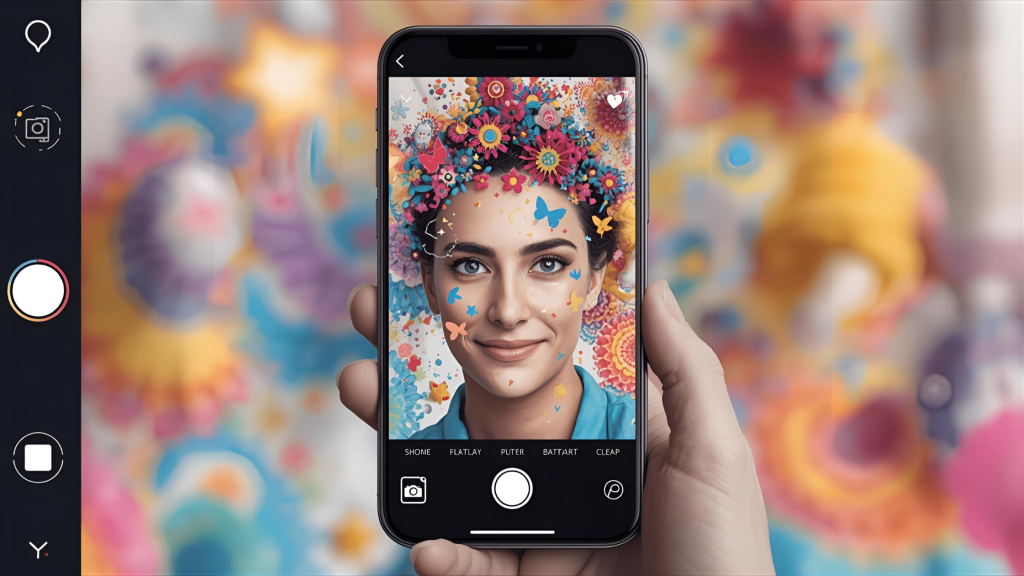
Real-life example: You post a new AR filter on Instagram. Some users try it just for fun, some for the fashion statement, and others for bragging rights. Instead of segmenting them beforehand, you let their behavior define them dynamically.
Tip: Use AI to map these behaviors into dynamic “quantum clusters.” No labels, just probabilities.
Metaverse Immersion: Your Brand in VR, Without Wearing a Helmet for 12 Hours
Why just post a banner ad when you can host a pop-up virtual lounge in Decentraland? Let avatars sip virtual champagne while exploring your brand story.
Real-life example: A sneaker brand created a mini-game in Roblox where avatars raced in custom shoes. Players who “won” got real discounts. Engagement skyrocketed because the campaign was fun, immersive, and interactive, not a boring flyer.
Tip: Start small. Even a single branded room or mini-game can yield valuable data.

AI-Guided Optimization: Let the Machines Predict (Without Replacing Your Creativity)
AI tracks which rooms, objects, or mini-games convert best. Suddenly, your audience’s probable next moves aren’t guesses, they’re data-driven predictions.
Real-life example: Imagine you’re running a metaverse pop-up with multiple paths: some avatars go to the fashion lounge, others to the gaming zone. AI predicts which path leads to actual product interest and you nudge users in real-time.
Tip: Think of AI as your quantum co-pilot: it watches, predicts, and nudges, but you still decide the narrative.

Real-Time Feedback Loops: Campaigns That Evolve as Fast as TikTok Trends
Here’s the magic: Quantum Marketing isn’t static. Every interaction updates your model, so the next user sees a smarter, more personalized experience.
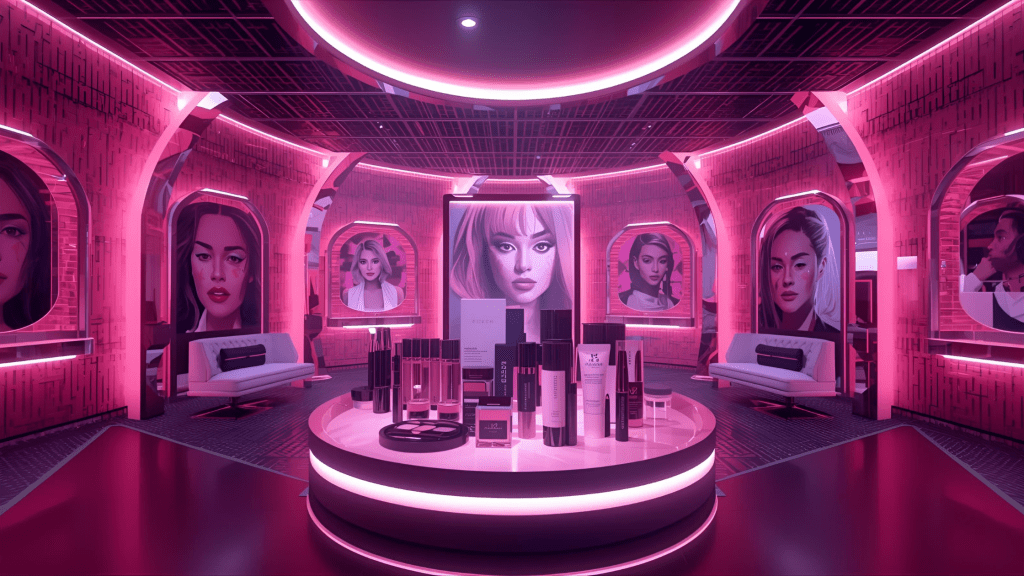
Real-life example: A cosmetics brand noticed avatars lingered longer in their “makeover” room. They instantly introduced limited-edition products there, boosting engagement and sales, without waiting for weekly reports.
Gamification & Fun: Learn, Play, and Become an Advisor
Finally, the twist: teach brands or marketers to play in the metaverse, run mini-campaigns, and learn live. Gamify your learning path and certify users as Quantum Marketing Advisors.
Real-life example: Imagine a “training lounge” where users predict outcomes, tweak campaigns, and get virtual badges. By the end, they’re not just learning—they’re building authority and earning credibility.

The Quantum Marketing Formula (Your Cheat Sheet)
For the slightly nerdy marketer who loves formulas:
QMM = (P + M + A) × R × F
P = Probabilistic Audience Mapping
M = Metaverse Immersion
A = AI-guided Optimization
R = Real-time Feedback Loops
F = Fun + Gamification
Follow this, and suddenly you’re not just running campaigns—you’re creating experiences that predict, adapt, and delight.
Quantum Thinking Is the New Digital Advantage
Quantum + Metaverse + Digital Marketing isn’t theoretical, it’s happening now. With playful experimentation, AI insights, and immersive experiences, anyone can become a Quantum Marketing Advisor without losing their glam factor or sanity.
Start small, think probabilistically, and remember: in the quantum world, every avatar choice matters.


Leave a Reply