
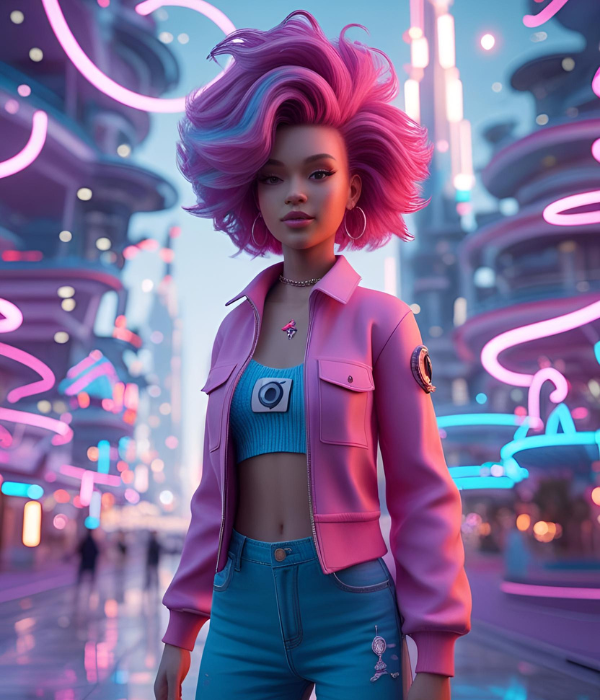
There was a time when brand ambassadors were Hollywood A-listers and runway superstars. Then came the rise of influencers — the ones who built empires from their bedrooms. Now? We’re about to hand the digital throne over to beings who don’t technically exist.
Welcome to the era of virtual influencers and digital deities. And if that sounds like a Black Mirror episode waiting to happen… it kind of is.
Let’s unpack it.

What Are Virtual Influencers?
Simply put: they’re computer-generated personalities with massive followings, brand deals, and pop culture relevance — despite not being real people.
They look human (mostly). They have curated personalities. Some even “date” other virtual celebs.
Famous examples:
Lil Miquela (the OG virtual it-girl)
Shudu (the world’s first digital supermodel)
FN Meka (controversial AI rapper — and a cautionary tale)
Enter: The Digital Deities
Now, imagine going a step further. Not just virtual influencers, but mythical, larger-than-life digital beings created by brands, artists, or AI collectives.
They aren’t designed to imitate humans — they’re built to embody abstract ideas, cultural archetypes, or cosmic aesthetics.
Think:
A brand muse that represents “serendipity” and only appears during rare celestial events in the metaverse.
A digital oracle AI you consult before making big purchases.
A surreal goddess of data whose pronouncements predict market trends.
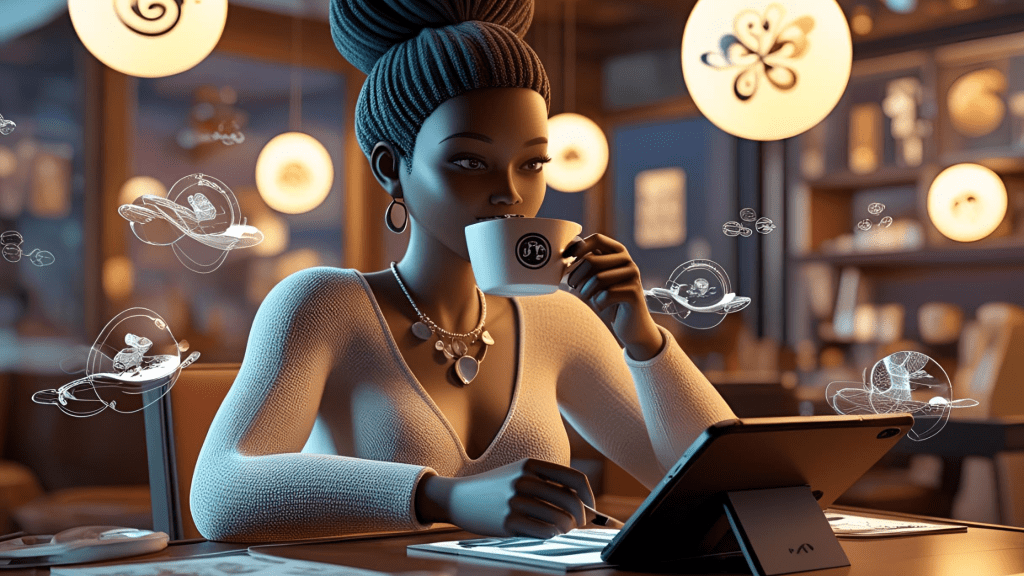
So Who’s Taking Over the Metaverse Marketplace?
Here’s the fun part — probably both.
Virtual Influencers will remain product pushers, brand collaborators, and faces of digital campaigns.
Digital Deities will shape deeper brand mythologies, limited-time worlds, and exclusive product drops aligned with virtual events, planetary movements, or made-up holidays.
One sells you skincare. The other sells you a narrative you didn’t know you needed.
And let’s be honest — we’ll fall for both.
Why Brands Are Betting on This
Because in a saturated digital world, familiarity isn’t enough. People crave magic, mystery, and meaning in their digital experiences.
Virtual influencers feel personal and relatable, yet controlled.
Digital deities offer the escapism, symbolism, and otherworldly authority we secretly miss in a hyper-pragmatic world.
And in the metaverse, both types can coexist, collaborate, or feud — all for the sake of engagement.
Get Ready for the Strange
In the next five years, don’t be surprised if your favorite new brand icon isn’t human at all.
It might be a pixel-perfect avatar or a shimmering AI goddess with 12 million followers, her own NFT line, and a hyper-exclusive digital fragrance drop during a lunar eclipse.
And honestly? I’m here for it.


Leave a Reply