
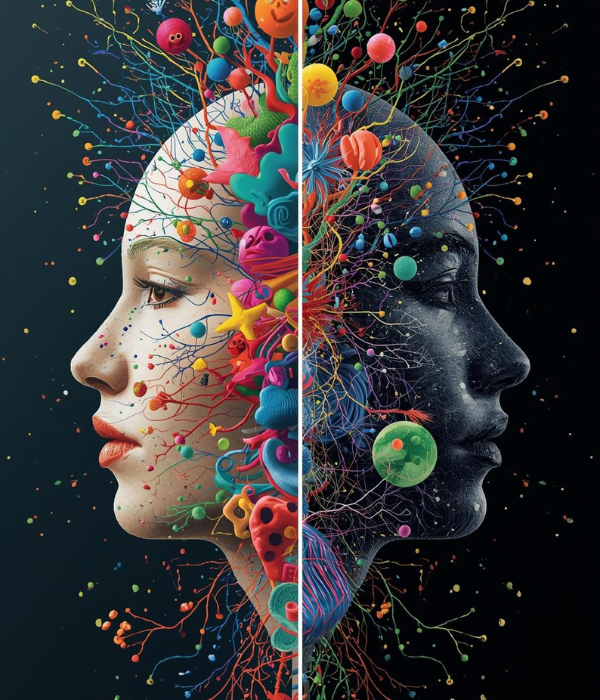
There was a time when building a brand meant sitting in a meeting room arguing over adjectives.
“Are we playful or approachable?”
“Friendly, but professional?”
“Can we use emojis, or is that a legal matter?”
Eventually, a brand voice document was born. It was polished, confident, and… immediately outdated.
Because while brands were perfecting how they sound, the internet transformed into something far less polite and far more alive.
The Internet Doesn’t Wait for Your Tone of Voice
Today, your brand doesn’t speak once a week through scheduled posts. It exists everywhere, all the time.
- Someone in New York is tagging you in a sarcastic TikTok.
- Someone in Berlin is asking a very serious question in the comments.
- Someone in Singapore is DMing at 3 a.m. because something broke and they are not calm about it.
This is where brand voice quietly fails.
Not because it’s wrong, but because it’s static. And the modern digital world is anything but.
That’s why the smartest brands are shifting from “How do we sound?” to a far more important question:
“How do we react?”

So, What Is a Brand Nervous System (In Human Terms)?
Think of your brand like a person.
A brand voice is how that person speaks when they’ve had time to think.
A brand nervous system is how they react when something unexpected happens.
- Do they freeze?
- Do they overreact?
- Do they ignore the room entirely?
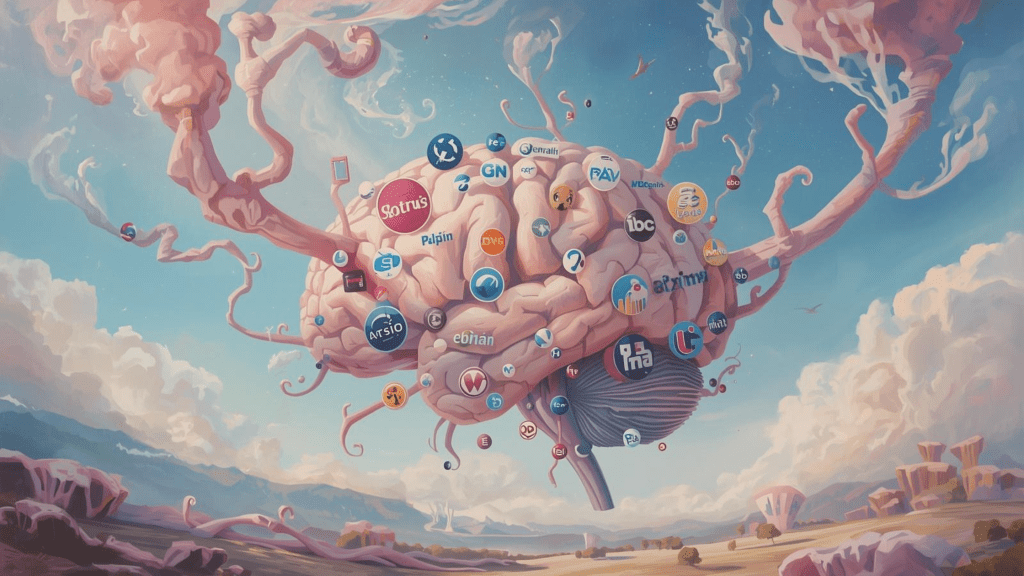
A functioning brand nervous system allows a brand to sense what’s happening, process context quickly, and respond in a way that feels human, relevant, and emotionally aware, whether that response is a joke, an explanation, or sometimes, silence.
Yes, silence can be a response. A mature one.
Why This Shift Is Happening Now (Globally)
This isn’t a trend born in one market. It’s happening everywhere, just at different speeds.
- In North America, audiences expect fast, casual, almost conversational brand responses.
- In parts of Europe, clarity and respect matter more than humor.
- In many Asian markets, timing and restraint often outperform cleverness.
A brand voice tries to flatten all of this into one personality.
A brand nervous system adapts without losing its identity.
Same values. Different reflexes.
Where Most Brands Get Stuck
Many brands want to be responsive but accidentally design themselves to be slow.
- Every reply needs approval.
- Every comment feels risky.
- Every unexpected moment triggers a meeting.
By the time the brand responds, the moment has passed, or worse, escalated.
Brands that move well in real time aren’t reckless. They’re prepared. They’ve already decided:
- what requires caution
- what can be handled instantly
- what deserves empathy, not marketing
Speed isn’t about panic. It’s about clarity.

The Subtle Power of Emotional Awareness
Here’s something marketers don’t say out loud enough:
most customer interactions are emotional before they’re logical.
People comment when they’re confused, excited, disappointed, or slightly annoyed but pretending not to be.
Brands with nervous systems don’t just answer questions, they respond to feelings.
A calm reply can de-escalate frustration.
A light joke can turn criticism into loyalty.
A thoughtful explanation can build trust far beyond that one interaction.
No brand voice document can predict those moments. Awareness can.
Why Search Engines (Quietly) Love This
Let’s talk SEO, without ruining the mood.
Search engines increasingly reward brands that feel alive:
- frequent, relevant mentions
- authentic engagement across platforms
- content that reflects real conversations, not keyword stuffing
Brands that respond well get talked about more.
Brands that get talked about more get searched more.
Brands that feel human tend to earn trust from people and algorithms.
Google doesn’t rank “witty.” It ranks credible, relevant, and present.

The Real Competitive Advantage (Spoiler: It’s Not Tools)
Everyone has access to AI now.
Everyone can generate copy.
Everyone can sound “on-brand.”
What’s harder to replicate is judgment.
- Knowing when to speak.
- When to pause.
- When to explain.
- When to simply listen.
That judgment is the nervous system. And it’s built through culture, not software.
Your brand doesn’t need to speak louder or faster.
It needs to feel what’s happening, process it intelligently, and respond in a way that makes people think, “Okay… they get it.”
Because in a world where everything is automated, a brand that reacts like a human quietly stands out.
If this made you rethink how your brand operates, don’t stop at insight. Build the reflexes behind the messaging. Design the systems that decide when to speak, when to pause, and how to respond under pressure. If your brand needs a nervous system – let’s talk.
 Ninabelle Tukha Creative
Leave a comment