
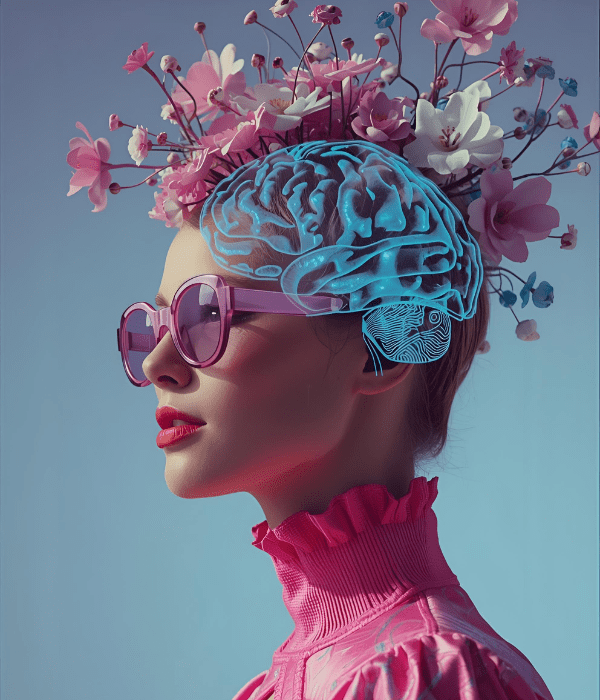
Why modern creativity starts in your neurons, not in your color palette.
If you think good design is just about “nice visuals,” your brain politely disagrees. In fact, the hottest trend in creative innovation right now isn’t a new font, a viral edit style, or yet another “AI revolution” headline. It’s neuroaesthetics, the science of how the human brain reacts to shape, color, motion, and emotional triggers.
Welcome to the new era where brands win not by shouting the loudest, but by whispering directly to your neural circuits.
(Yes, it sounds dramatic. No, it’s not sci-fi.)

What Exactly Is Neuroaesthetics?
Neuroaesthetics studies why we think something is beautiful or memorable. It’s like UX design and psychology had a high-IQ baby.
In simple terms:
Your brain has shortcuts, tiny “yes I like this” buttons, triggered by patterns, colors, symmetry, faces, and emotional cues.
Brands that understand these shortcuts? They get attention faster, convert better, and stay in memory longer.
Think of it as designing with the brain instead of for the internet.
Why Marketers Are Suddenly Obsessed With the Brain
Because attention spans are now shorter than TikTok transitions.
Neuroaesthetic design is becoming essential because:
- People decide within 0.2 seconds whether they like something.
- Emotional visuals are processed 60,000x faster than text.
- Symmetry, warm colors, and human expressions trigger instant trust.
The brain LOVES patterns… and equally loves breaking them.
If your creative agency wants to stay ahead, understanding this science isn’t optional, it’s your competitive edge.

What the Brain Loves (and How Brands Use It)
1. Curves Over Corners:
Curved shapes feel safe. Sharp edges feel like a threat.
This is why gentle arcs and rounded buttons magically boost engagement.
(Your amygdala is basically doing design critique without your permission.)
2. Faces, Micro-Expressions & Eye Contact:
The brain is hardwired to track faces. Even cartoon ones.
Want more attention? Add a face. Want more emotion? Add an expression.
Want virality? Add a cat face. Science approves.
3. Motion That Feels Natural:
We gravitate toward fluid, biological motion — not robotic jumps.
This is why smooth transitions, parallax, and micro-animations feel “satisfying” instead of stressful.
4. Color Psychology… but Smarter:
It’s not about “blue = trust.”
It’s about context, culture, saturation, and luminance.
Bright colors excite. Muted colors soothe. Contrasts guide the eye.
Every shade is a neurological story.
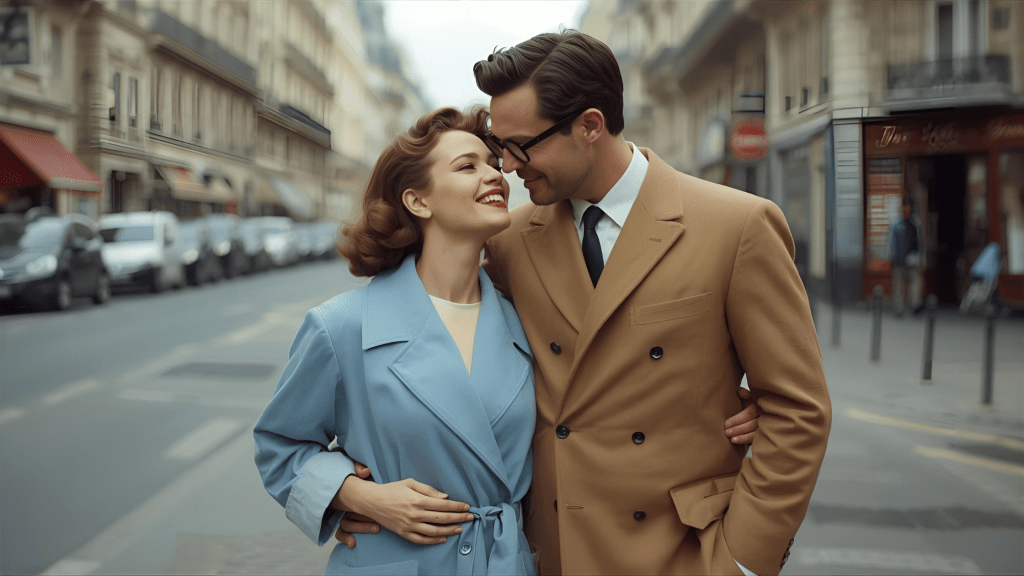
The Hidden Physics of Why Certain Designs “Feel Right”
Forget trends, your brain follows rules. Quiet rules. Ancient rules.
Neuroaesthetics works because the brain constantly evaluates balance, rhythm, predictability, and surprise.
Here’s what actually shapes that “wow, this looks good” reaction:
1. Visual Gravity: Your Brain Loves Stable Layouts:
- Your eyes naturally search for a “ground.”
- Balanced compositions calm the brain.
- Unbalanced ones add tension – perfect for drama, terrible for landing pages.
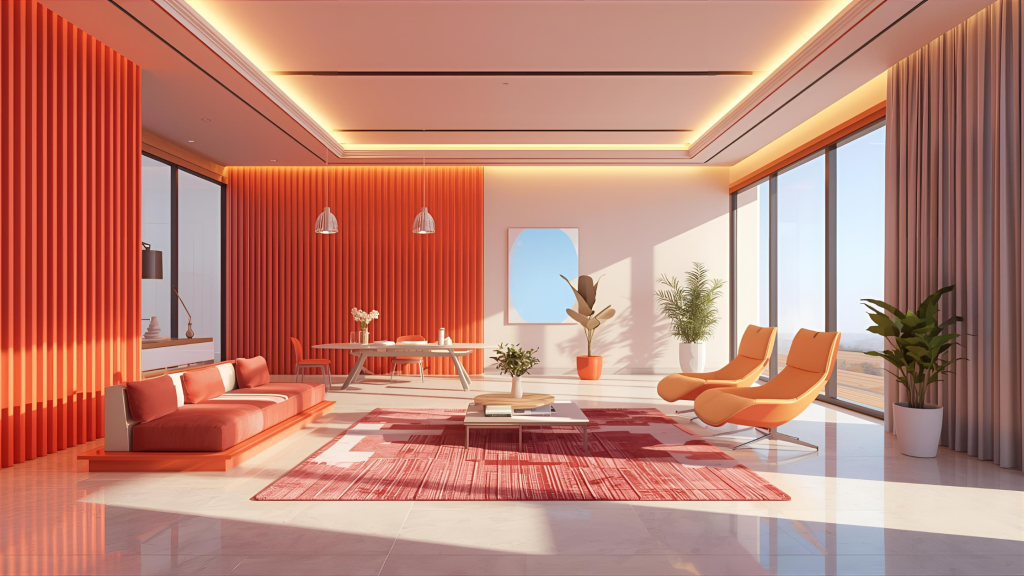
2. The Surprise-Safe Ratio:
- Your brain wants something familiar… with a twist.
- Too predictable = boring.
- Too chaotic = stressful.
Great design sits in the sweet spot between “I’ve seen this” and “Wait, that’s new.”
3. Rhythmic Repetition:
Patterns give the brain a quick win.
Repeating elements make interfaces feel trustworthy, structured, and easy to navigate.
This is why minimalism still dominates – it lets the brain breathe.
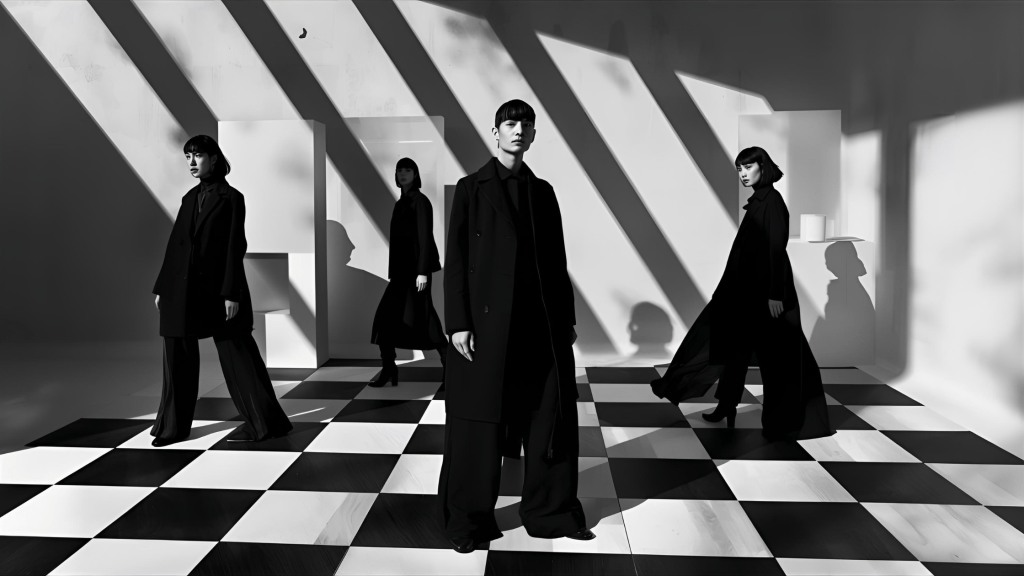
4. Cognitive Smoothness:
Your brain likes movement that follows real-world physics.
Ease-in, ease-out, natural curves – these micro-animations tell the brain:
“Relax. This feels familiar.”
5. Emotional Temperature:
- Warm colors lower distance.
- Cool colors raise clarity.
- High contrast commands urgency.
Color isn’t decoration – it’s emotional engineering.
Neuroaesthetics isn’t art philosophy. It’s the brain’s silent user manual.

The Practical Magic (What Neuroaesthetics Actually Changes)
Instead of generic takeaways, here are new ones that matter more – grounded, actionable, and in the same smart-humorous tone.
1. Content Becomes More Scroll-Proof
If your visuals match the brain’s shortcuts, people stop scrolling without knowing why.
It’s not manipulation – it’s good design hygiene.
2. Messages Become Easier to Remember
The brain stores patterns, emotions, and contrasts.
If your content uses all three, congratulations – you just hacked memory.
3. Visuals Start Guiding Behavior Naturally
Want someone to click a button?
Guide the eye.
Want them to feel something?
Shift the visual temperature.
It’s neuroscience with eyeliner.
4. Audiences Feel the Design Before They Understand It
This is the real power:
Good neuroaesthetic design hits emotionally before it hits logically.
That’s how brands stick.
5. Creativity Gains a Strategic Backbone
No more “I feel like green.”
Now it’s “This shape reduces cognitive strain and increases clarity.”
It sounds smarter, because it is.

The Brain Always Knows Before We Do
Before your audience reads a single word, before they analyze your message, before they decide whether they like you, their brain has already voted.
Neuroaesthetics simply helps you win that first, silent election.
When your design matches how the brain naturally sees, feels, and remembers, your content becomes effortless to consume and impossible to ignore. That’s not magic. That’s smart creativity with scientific backup.
Ready to Design for the Mind?
If you want visuals that people don’t just see but instinctively feel, it’s time to create with the brain in mind.
Reach out – let’s build content that resonates on a deeper, instinct-level frequency.
Beautiful. Memorable. Neurologically irresistible.
 Ninabelle Tukha Creative
Leave a comment