
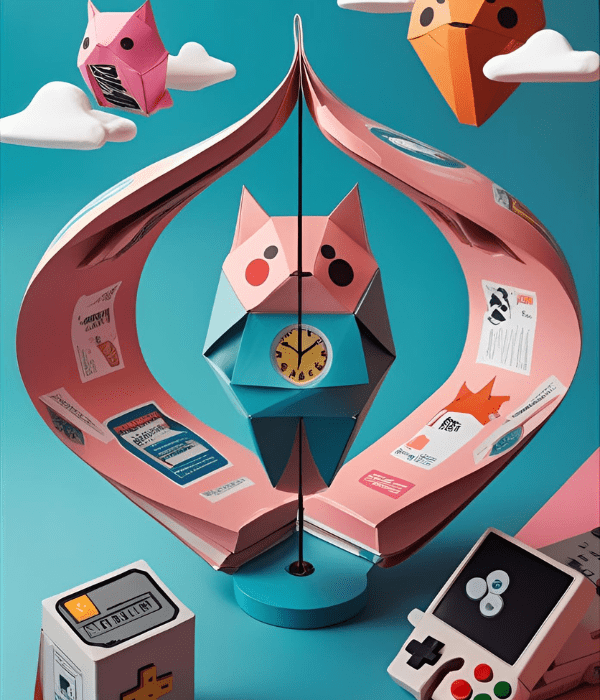
Why the future of branding might just live in the past — and the next trend could be your childhood Game Toy.
Time-trap campaigns use strategic nostalgia, retro-futurism, and time-looped storytelling to emotionally engage audiences by bending our perception of time. They’re not just “throwbacks” — they’re carefully folded timelines that make us feel something deeper.
What Are Time-Trap Campaigns?
Forget flashbacks. Time-trap marketing is the art of blending past, present, and future into one seamless emotional experience. Think of it as the Christopher Nolan of campaigns: looping timelines, disorienting déjà vu, and a lingering aftertaste of “where have I seen this before?”
It’s not just aesthetics (like VHS filters or Y2K fonts). It’s temporal storytelling that plays with memory and anticipation — evoking nostalgia and a sense of what’s next.
Why Do Time-Based Campaigns Work So Well?
Because humans are wired for time travel. Emotionally, at least.
Nostalgia lights up our brains like a Christmas tree. It’s a safe zone.
Anticipation creates dopamine-driven curiosity.
Time folding mixes both, making your brand feel familiar yet fresh.
You’re not just selling a product — you’re selling an emotional timestamp.

5 Types of Time-Trap Campaigns
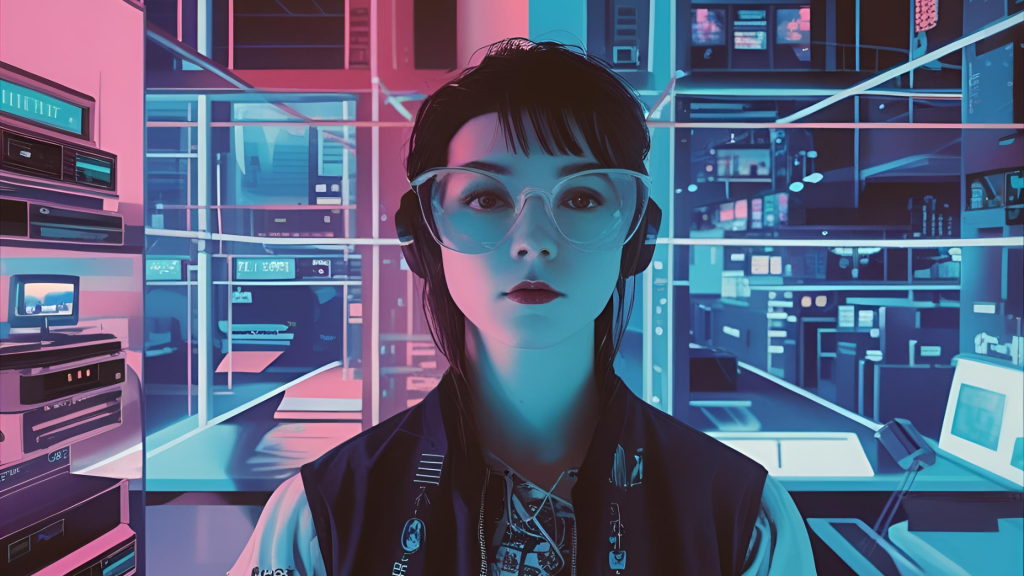
1. Retro-Futurism: Tomorrow Through Yesterday’s Eyes
The vibe: flying cars in VHS resolution.
Example: Brands using 80s synthwave aesthetics to sell smart tech (hello, Stranger Things x LG).
Why it works: It makes high-tech feel emotionally grounded — like you’re entering the future with a Walkman in hand.
2. Looped Content: The Eternal Now
The vibe: TikTok loops that feel like déjà vu with better lighting.
Example: Ad loops that reward multiple watches (visual Easter eggs, evolving messages).
Why it works: Feels infinite — like an inside joke with the algorithm.
3. Nostalgic Merch Drops: Memory as a Product
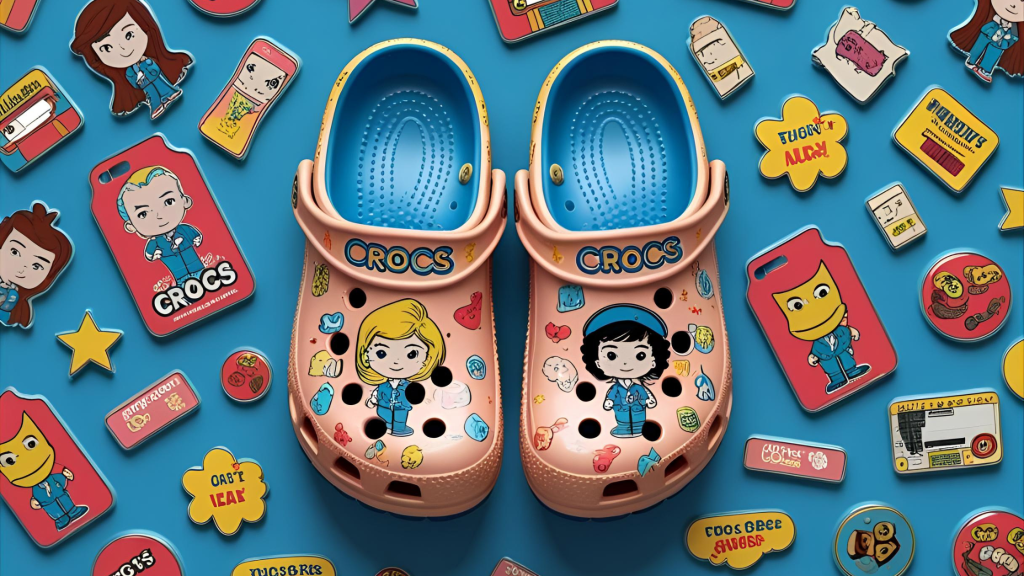
The vibe: your old Tamagotchi rebranded as luxury.
Example: Crocs collaborating with nostalgic pop culture (like Hello Kitty) to appeal to grown-up kids.
Why it works: You’re buying a feeling, not footwear.
4. Temporal Storytelling: Stories Told Out of Order
The vibe: marketing meets Memento.
Example: Campaigns released in puzzle pieces — where the final meaning only hits when the last piece drops.
Why it works: It builds emotional investment and audience participation.
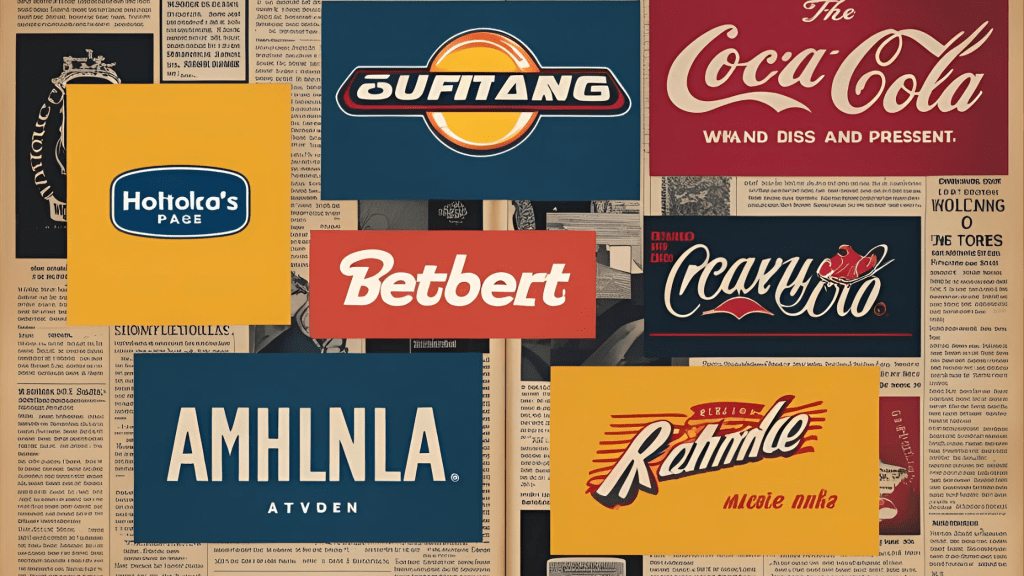
5. Back-to-the-Future Rebranding
The vibe: if your 2002 campaign had a baby with 2025 tech.
Example: Brands reusing old taglines, but with a modern twist (Pepsi’s logo reboots, for instance).
Why it works: Echoes. Recognition. Emotional payoff.
How to Fold Time Without Breaking the Brand
- Use “Era Anchors”
Tie your message to a cultural timestamp: a film, a fashion trend, or a historic event (even a meme counts these days).
- Design for Loops
Short-form video, kinetic typography, and surreal visuals invite rewatching and rethinking.
- Don’t Just Replicate — Remix
Retro is cute, but subversion is better. Reinterpret, don’t repeat.
- Balance Emotion + Innovation
The future must feel like the past, but do more than the past could.
The Timeline Is Your Canvas
We’re not just marketers anymore — we’re temporal architects. We create stories that hop through decades, speaking to multiple generations at once. And in an attention economy, emotional resonance beats novelty every time.
So the next time you plan a campaign, ask yourself: Are we selling something new — or folding time like origami to make it unforgettable?
 Ninabelle Tukha Creative
Leave a comment