
Remember when TV ads were the holy grail of brand visibility?
Prime time. High budget. Big moment.
Now? They’re just something people skip while waiting for their show to start.
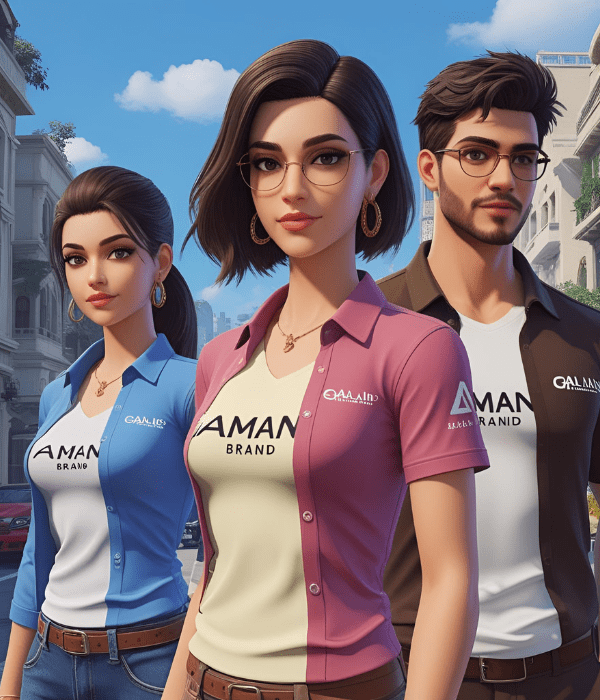
In 2026, the most exciting, effective, and unforgettable brand campaigns aren’t happening between episodes – they’re happening inside games. Yes, inside the very worlds where players battle dragons, build cities, and somehow still find time to change their avatar’s outfit five times a day.
If you’re imagining a simple logo on a digital billboard, think bigger.
We’re talking playable quests, virtual fashion, AI-powered brand characters, and product launches that happen during a global concert inside a sandbox universe.
Because in gaming, your brand isn’t just seen.
It’s experienced.
Gaming Isn’t a Trend — It’s Where Culture Lives
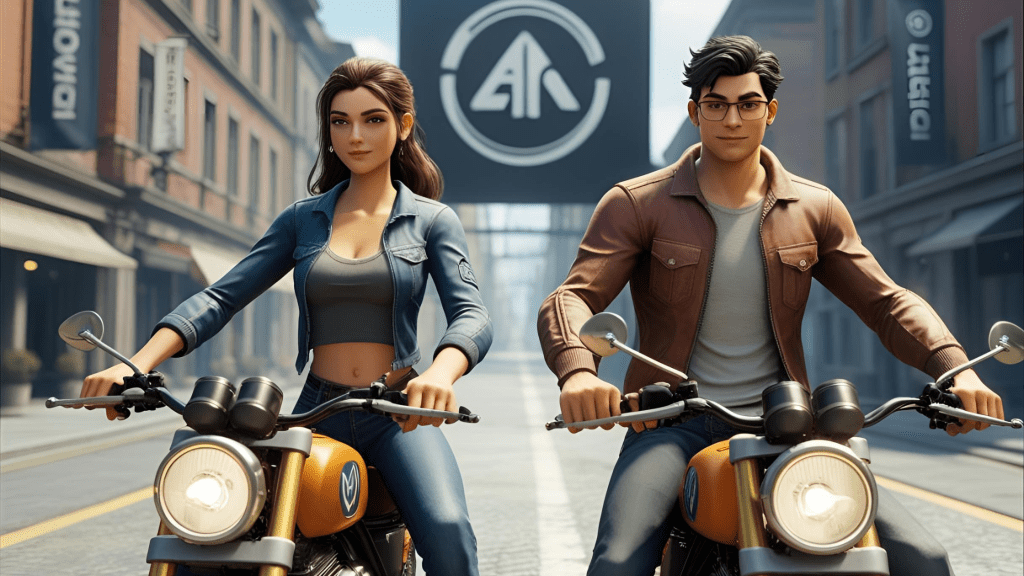
Let’s start with the obvious: gaming is no longer a niche. It’s not just something teenagers do in the basement. It’s a $300 billion global industry, a creative ecosystem, a place where Gen Z and Gen Alpha socialize, express identity, and – importantly – ignore traditional ads.
Inside platforms like Roblox, Fortnite, ZEPETO, and Minecraft, users aren’t just playing. They’re living, shopping, learning, customizing, and creating. These are not just games. They’re immersive social universes — and they’re open for brand storytelling.
Unlike social media, where your brand is competing with a thousand other posts and one very cute cat video, gaming offers something rare: deep attention.
People don’t glance at games. They enter them.
And that changes everything.
From Ads to Adventures: The New Campaign Format
What makes in-game advertising work so well? It’s simple: instead of asking for attention, you give something in return – entertainment, interaction, even a little magic.
Your campaign becomes part of the world: a secret mission, a hidden level, an exclusive drop. You’re not selling a product. You’re inviting someone into a story.
Want to launch a sustainable skincare line? Create a digital rainforest that players explore to uncover ingredients.
Launching a new sneaker collab? Drop it as a collectible skin in-game before it hits shelves in real life.
Selling travel experiences? Build a teleporting hub where avatars can wander virtual versions of Tokyo, Tbilisi, and Tuscany.
If it sounds like a lot more fun than banner ads, that’s because it is. And it works.
Digital Fashion: Yes, People Are Buying Virtual Shoes
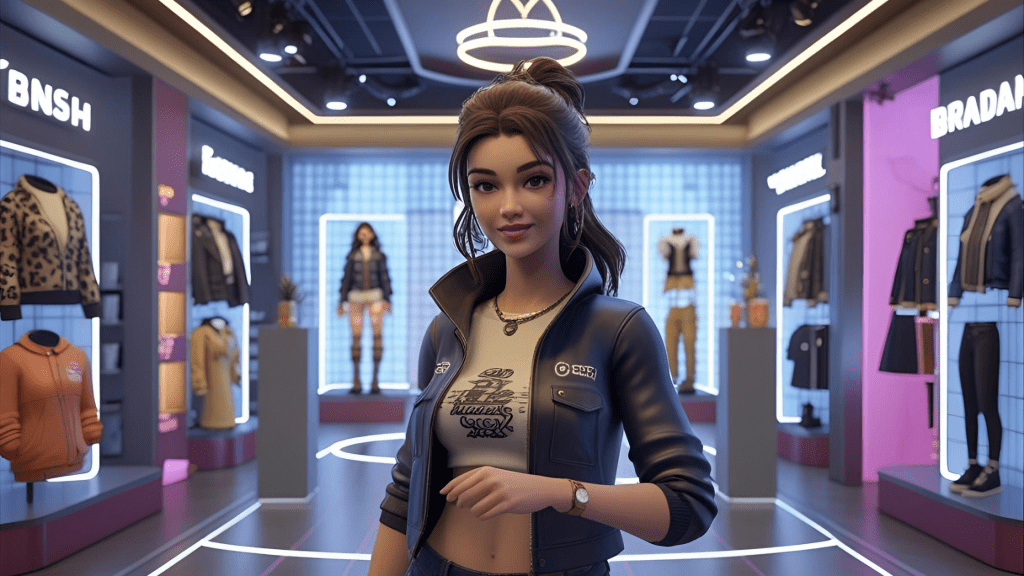
One of the fastest-growing areas in in-game marketing is digital fashion.
Yes, virtual outfits. For virtual people. In virtual worlds.
Sound unnecessary? Tell that to the millions of users happily spending real money on rare digital sneakers, designer jackets, or hair colors that look like holographic ice cream.
For brands, this isn’t about novelty. It’s a new revenue stream, a new canvas, and a new way to become part of your audience’s identity.
If your brand isn’t dressing the avatars of Gen Z, someone else is. And chances are, that someone has already launched a virtual flagship store in the metaverse.
NPCs, Launch Parties & Other Surprisingly Brilliant Ideas
Here’s where things get really creative.
Want your brand to have a voice in the game – literally? Introduce a brand NPC (non-player character). Think of them as part ambassador, part guide, part very stylish chatbot with great one-liners. They help, entertain, and occasionally recommend your product. Gently. No pushy pop-ups here.
Or host your next launch event inside a game. Skip the showroom and the rented sound system. Instead, invite the world to an immersive in-game festival – complete with product demos, interactive mini-games, and digital confetti that never needs sweeping.
Need more reach? Let the players take over. Offer branded mod kits or creation tools so users can build content with your brand. This is UGC (user-generated content) on a whole new level – and honestly, they’ll probably out-design your intern.
Creative Agencies, Meet Your New Playground
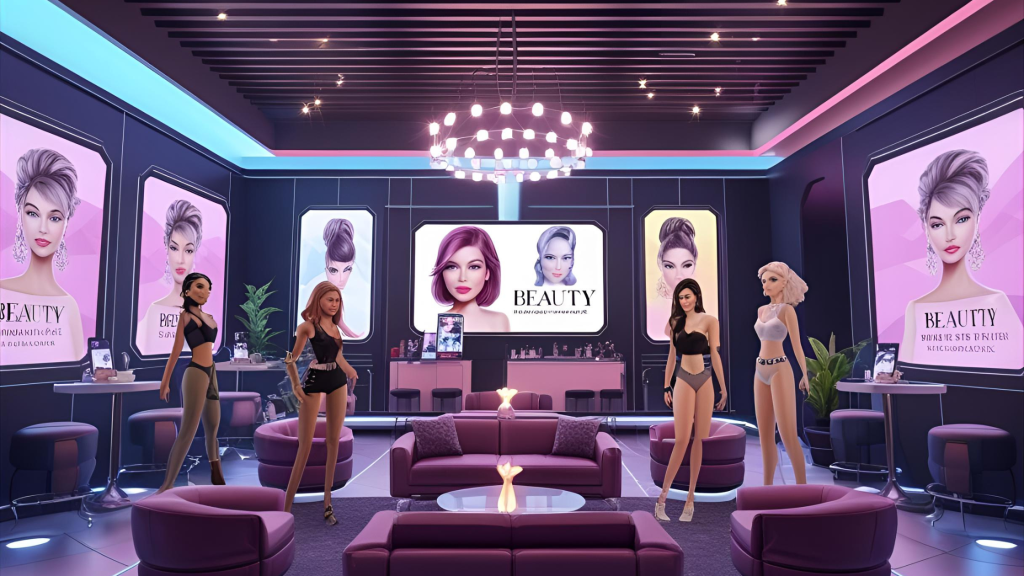
All of this means creative agencies need to evolve – fast.
This isn’t about adapting old formats to new spaces. It’s about inventing new forms of storytelling altogether.
You’re no longer just making “ads.”
You’re designing interactive experiences.
You’re writing quests. Building maps. Dressing avatars. Coding moods.
It’s a shift from communication to co-creation – and it’s exactly where the magic is happening in 2026.
So, Why Inside a Game?
Because that’s where your audience is – not just scrolling, but exploring.
They’re building stories, making choices, and spending time in places that feel meaningful to them.
Traditional ads interrupt.
In-game campaigns integrate.
They respect the space. They speak the language. And when done well, they give users something valuable in return: a moment, a mission, a memory.
So next time someone asks, “Where should we launch this campaign?”,
you might want to say:
“How about inside a beautifully-designed, emotionally-resonant, multiplayer adventure?”
Because let’s be honest…
It sure beats a pre-roll ad.
 Ninabelle Tukha Creative
Leave a comment